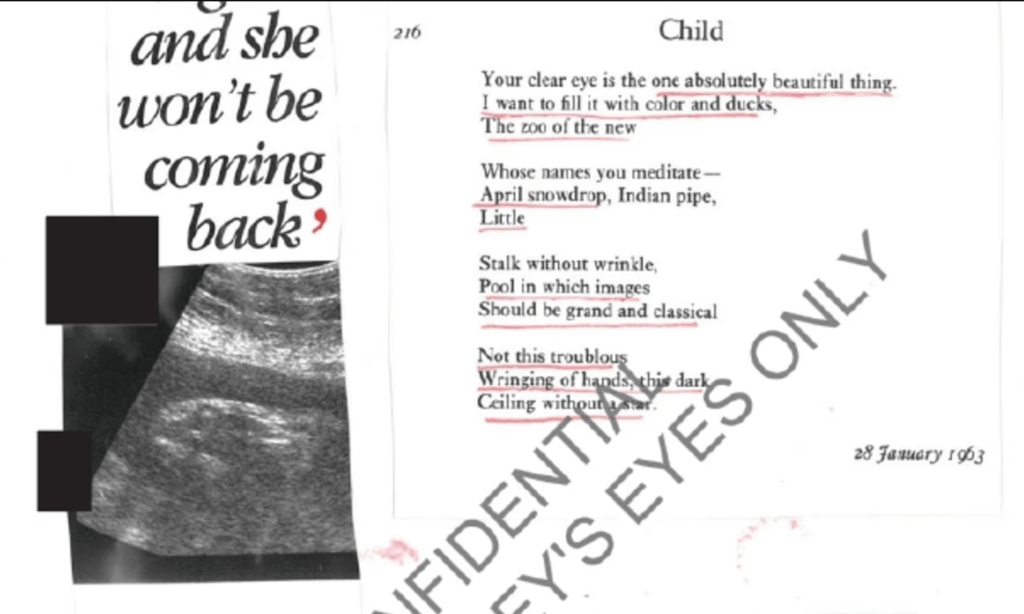
I can’t let Native communities throw sex workers under the bus, when the names are right there, in the Epstein files, and in victim stories long before the release.
- Foremost, sex work should not be conflated with trafficking. I have a post on my Instagram page discussing this.
- However, the fact that sex work is not trafficking should not stop sex work movements from supporting victims of trafficking. Sex work activists and movements are afraid to touch trafficking. This comes from a decades old organizing structure, led by white women in North America, whose experiences in sex work are often indoors and/or online-based. Resistance to discuss the nuance of trafficking in sex work movements is rightful protection from narratives weaponized by anti-sex-work policy analysts and policy makers criminalizing sex workers in Canada. However, the imperialist sex work movements’ refusal to acknowledge trafficking narratives of non-North-American women and children, and forth world North American women and children, unfortunately push out Native women, who don’t have the right language or experiences. Further, despite the high prevalence of youth sex work among Indigenous communities, those narratives are often hidden or pushed out of sex work organizing; sex work organizers stymy “trafficking” narratives, while defining trafficking through their omissions. Work isn’t only work if paid (i.e. material labour of citizens). Work is also work when it’s undertaken in indentured servitude. Rape can happen at work. Abuse can happen at work. I want to be clear I don’t support a polarizing “us vs them” rhetoric, which arguably led us to this political moment. Is it so wild to believe sex workers are best positioned to offer empathetic healing alternatives to those who have been abused?
- It’s also important not to conflate trafficking with domestic abuse. The Epstein files have brought up an important conversation within Native communities. How many men live, work, lead Native communities with known, unhealed histories of pedophilia, domestic abuse, and rape? Many. My father included. The Ironstands have long been The Family in Valley River, Treaty 4. Beneficiaries of the Ironstand trail and cause for the emergence of our people on the Prairies. My father has gone to court several times for raping children, and was jailed for possessing child pornography. I promise you, in my family, it didn’t start with him. All abuse starts somewhere. I’m talking about my father because I only have the right to speak from my own experiences. But, if I was truthful, I could think of dozens of other Native men, like my father, who are still well respected members of Indigenous communities. If we’re chasing drug dealers off the Rez, why are we harbouring abusive men? We’re prophesizing high and low about how our sovereignty will save the land and Canada, peddling Native aesthetics, when our sovereignty and culture isn’t even healing our communities. Still, child abuse is not innately trafficking. We do a disservice to trafficking victims when we conflate the two. The normalized and prevalent abuse of women and children in Native communities is an important conversation that needs to be led in every First Nation. However, it is not necessarily a conversation about trafficking.
- We have heard the victims stories in Native communities. The Northern girls. The girls in Winnipeg. The girls in Thunder Bay. The girls who get kidnapped off the street, out of bars, and forced into indentured servitude. That is trafficking. We can’t deny hundreds of Native womens’ stories in occupied territories, on stolen land. We knew these stories in community, long before the release of the Epstein files. Trafficking is the abduction of girls, boys, women, the passage of their bodies over borders, into indentured servitude, into abuse and rape. We can acknowledge and support victims of trafficking with specificity and rigour, while also supporting sex workers.
- Discussions of decriminalization have supported sex work movements across Canada to advocate for sex worker rights. However, what is decriminalization in a world where the rich and powerful traffic. How do we discuss trafficking if we are forbidden from speaking about abuse within the legal and rights systems we are stuck with in the colonial present?
- Trafficking, sex work, domestic abuse, rape, borders, and the law are all complex issues that deserve their own consideration and ways of healing within Native communities We don’t support victims by conflating vastly different issues. Recently, an anti-sex-work policy think tank pushed its anti-sex-work report through Native influencers, greatly simplifying the complexity of sex work, abuse, MMIW, and trafficking, and ultimately supporting trafficking laws. The report purported that MMIW is directly linked to sex work in Canada, a narrative that that harms Indigenous women, which Indigenous community activists have argued and mobilized against for decades. Normalized shame combined with faulty correlations stop us from working through the specificity of harm, abuse, sex work, and trafficking within, among, our communities. It distracts us from talking about the materiality of patriarchy in our lived realities. We hurt those we purport to speak for by conflating separate issues. I know we can hold all these things with care, accountability, and rigour. Indigenous women, boys, and children need us to hold all these things with care.
 Jas M. Morgan
Leave a comment